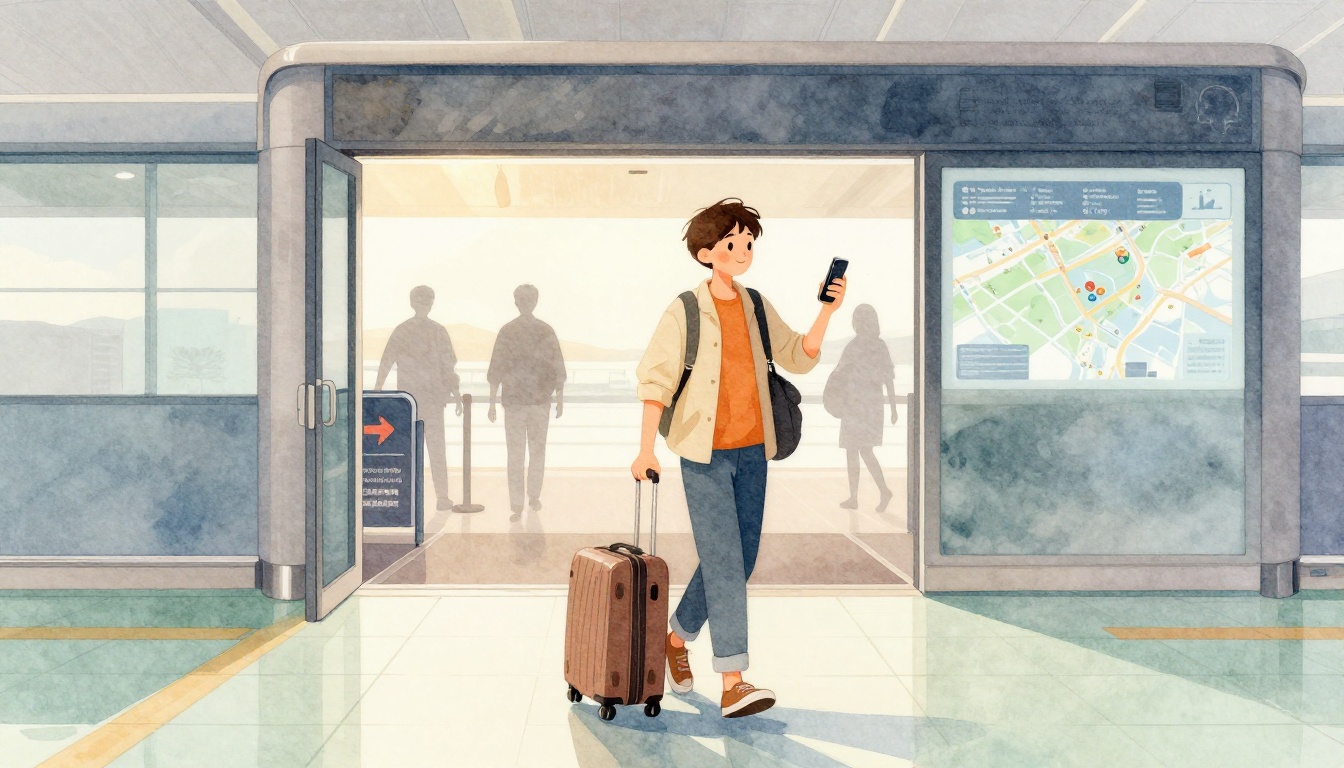
You step off the plane into a wall of unfamiliar air. Excitement bubbles up, but jet lag hits hard, signs blur in foreign scripts, and your stomach growls. That first day in a new country feels like a whirlwind. You worry about scams, lost bags, or missing your hotel.
Don’t panic. A simple plan keeps you safe and settled. Follow these steps based on 2026 trends like digital visas, eSIMs, and safety apps. Prep documents ahead, connect fast, grab cash wisely, pick safe rides, and ease into the afternoon. You’ll dodge common pitfalls, beat fatigue, and end the day excited for more. These tips work for spots like Europe, Brazil, or India, where entry rules tightened this year.
By evening, you’ll feel at home. Let’s start with the airport gates.
Clear Immigration and Customs Smoothly on Arrival
Long flights leave you foggy. Immigration lines test your patience. Stay calm because officers spot nerves. They check passports, visas, and plans quickly.
In 2026, many countries require pre-approvals. The UK demands an Electronic Travel Authorisation (ETA) for most visitors; apply online days ahead for £20. Europe rolls out ETIAS for Schengen zones like France and Germany. Biometrics, such as fingerprints, speed things up at eGates. Brazil and India visitors face similar digital checks.
Honest, short answers help. Declare items at customs to avoid fines. Have everything digital on your phone, plus paper backups.

Prep Your Documents Before You Fly
Pack smart before takeoff. Your passport needs six months validity past your stay. Print eVisa or ETA approvals; UK ones link to your passport digitally.
Prove return flights and hotel bookings. Sign up for the US State Department’s STEP program. It sends safety alerts. Download apps like India’s e-Arrival card.
Check specifics. Schengen adds biometrics this April. Charge your phone fully. Officers ask for proof of funds sometimes.
What to Say and Do in Line
Lines move faster if you prepare. Smile and stay polite. Answer purpose of visit, like “tourism for two weeks.” Give hotel address and stay length.
Keep it brief. No extras. Expect face scans or fingerprints in Europe. Remove hats or glasses. If questioned, show bookings calmly.
Customs follows. Declare food, cash over limits, or gifts. Honesty skips trouble. Bag searches happen rarely, but pack light.
Get Connected and Funded Before Leaving the Airport
No data means no maps. Roaming costs skyrocket. Grab an eSIM or local SIM first. Providers like Airalo or Holafly offer plans for $5 to $15 with 5-20GB.
ATMs come next. Notify your bank of travel. Withdraw small amounts in local currency. Skip exchange booths; they charge high fees.
Cash backups beat digital-only reliance. Cards work in cities, but not everywhere.

Buy a Local SIM Card for Instant Internet
Head to kiosks inside secure areas. Show your passport. Pick prepaid data; restart your phone after install.
eSIMs shine brighter. Buy Airalo regional packs online pre-flight. They cover Europe or Asia cheap. Download offline maps and translation apps now.
Apps like WhatsApp connect you to hotels. Waze guides drives safely.
Withdraw Smart Cash Without High Fees
Find ATMs in baggage claim zones. Choose “local currency” to avoid bad rates. Take $50-100 first.
Split bills across pockets, wallet, and bag. Use Apple Pay or cards for big spends. Watch screens for skimmers.
Fees add up, so check your bank’s app. In Europe, euros flow easy; Brazil needs reais from secure machines.
Reach Your Hotel Safely with the Right Transport
Touts swarm exits. Ignore them. Official taxis or apps like Uber keep you secure. Trains suit day arrivals.
Write your hotel address on paper. Share live location via apps. Night rides need caution.
Costs vary. Taxis run $20-50; apps match fares with tracking.

Pick the Best Ride from Airport to Lodging
Stick to zones. Official taxis have fixed meters. Apps show routes and drivers.
Public trains save money. Check schedules via new SIM. Pre-book shuttles for peace.
Avoid street offers. They overcharge or detour. In busy hubs like London or Delhi, apps prevent airport scams.
Backup Plans if Things Go Wrong
Save embassy numbers. Apps like Life360 share spots with family.
Paper maps backup GPS fails. Know local emergency calls, like 112 in Europe.
If lost, ask airport info desks. Stay inside lit areas.
Settle In, Fight Jet Lag, and Stay Safe Your First Afternoon
Hotel check-in refreshes you. Stash passports in safes. Hydrate with bottled water; eat light at crowded spots.
Walk the block slowly. No long naps. Learn “hello” and “thank you.” Apps like OZZI provide safety alerts.
Blend in. Head up in crowds.

Unpack and Refresh to Feel Human Again
Drop bags. Freshen up with a shower. Split cash hidden.
Text family “I’m safe.” Check weather apps for plans.
Window views excite. Unpack essentials only.
Simple Ways to Beat Jet Lag and Blend In
Sip water hourly. Coffee helps mornings. Walk till local bedtime.
Eat fruits or salads. Watch locals cross streets. Practice phrases.
Sunlight resets clocks. Short strolls build energy.
Top Safety Moves to Dodge Tourist Traps
Cross front-bag style. No phone zombies. Bottled water only.
Dine where locals eat. Note 911 equivalents.
Apps like HERE WeGo work offline. Stay aware after dark.
Your first day sets the trip’s tone. Nail immigration with prepped docs and calm answers. Connect via eSIMs like Airalo for maps. Pull cash smartly from secure ATMs. Choose tracked rides to hotels. Settle in, hydrate, walk light, and watch surroundings.
You now hold a foolproof plan. No more overwhelm. Check travel advisories before wheels up. Share your first-day stories below. What’s your go-to jet lag hack? Safe travels await; day two brings deeper adventures.