Scammers stole billions from travelers last year. US fraud losses hit $12.8 billion in 2024, and experts predict more in 2026 as AI makes fake listings look real. You search for a cozy hotel room, click a deal from an ad or email, and hand over your card details. Suddenly, no booking exists, and your money vanishes.
One traveler booked a beachfront condo through a lookalike site. She paid upfront, arrived to an empty lot, and lost $2,500. Stories like hers spike during peak seasons, with 14% of US adults hit by fake travel buys recently. These tricks hide in search results and social posts.
You can book accommodation safely online, though. This guide shares proven steps. Start with trusted platforms, spot scams fast, secure payments, and prep for arrival. Follow along to travel without worry.
Pick Trusted Platforms to Kick Off Your Search
Begin your hunt on sites you know. Booking.com tops lists for reliability, alongside official hotel chains like Marriott or Hilton. Airlines offer lodging bundles too. These platforms verify properties and handle disputes.
Skip random ads or social media links. They often lead to fakes. Instead, use filters for verified hosts or superhosts. Strong customer service sets them apart. If issues arise, they step in quick.
Real URLs matter. Check for exact matches like “booking.com,” not “booklng.com.” Typos trap rushed bookers. Trusted sites cut scam risks by 90%, based on recent reports.
Booking direct gives extra protection. Hotels honor their own rates and photos. You get better cancellation perks too.
Book Direct from Hotels for Top Protection
Hotels post real photos and details on their sites. No stock images fool you. Changes come easy through their system.
Find them via Google. Type the hotel name plus “official site.” Apps like HotelTonight link straight too. Cross-check addresses with Google Maps and Street View. Match the entrance and surroundings.
This method shields you best. No middleman means faster refunds if needed.
Use Established Sites with Review Filters
Sites like Booking.com let you enable two-factor authentication first. It blocks hackers.
Sort reviews by recent dates. Look for mentions of cleanliness, noise, or check-in snags. Real guests flag problems.
Hosts never ask for payments outside the platform. Ignore those requests. They signal trouble.
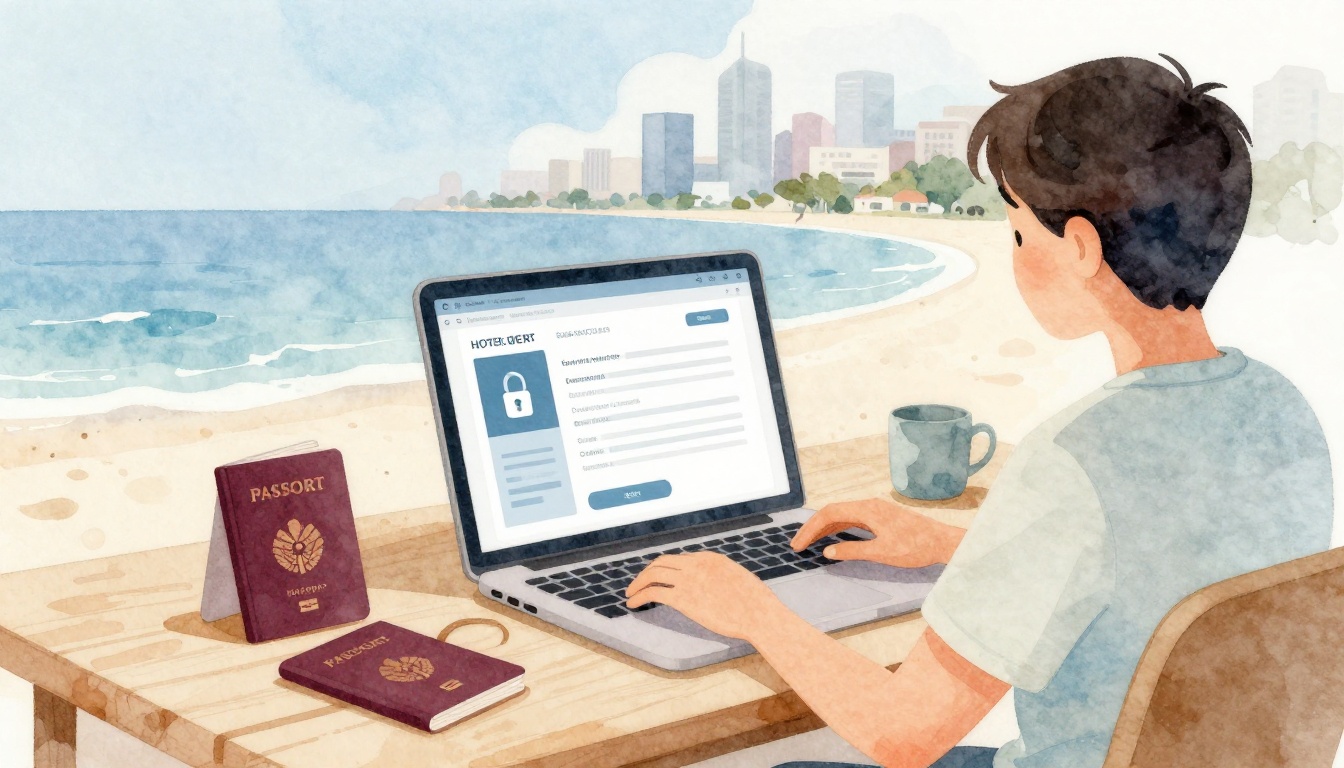
Secure browsing on a reliable platform keeps your search safe.
Spot and Dodge Common Online Booking Scams
Fakes flood 2026 searches. AI crafts perfect photos of nonexistent rooms. Phony emails claim your booking needs “urgent updates.”
Listings copy real ones but tweak prices low. Scammers push wire transfers after you book. Social tricks mimic support chats.
Verify everything. Match house rules, fees, and cancellation terms across sites. Check safety features like locks or cameras.
For deeper checks on global scams, see the Travel.State.gov scams page. It lists red flags that match US trends.
Empower yourself with these habits. You spot dangers before they bite.
Hunt for Fake Photos and Too-Good Deals
AI images look flawless. No blurry guest shots or lived-in mess. Real photos show wear, like scuffed furniture.
Prices way below market scream fake. Urgency like “last room” pressures you. Always scan recent reviews for stay confirmations.
Cross sites for matches. If details differ, walk away.
Handle Suspicious Contacts from ‘Support’
Legit teams use site chats only. No calls or texts for Zelle, wires, or gift cards.
Verify through official channels. Log in and message directly. Hang up on callers; they spoof numbers.
FTC notes these hits peak in travel rushes. Stay calm and official.
Secure Your Payments and Personal Info
Credit cards protect you most. Banks reverse charges on fakes. Debit pulls funds permanent.
Skip cash apps or wires. They offer no recourse. Ensure sites show HTTPS locks.
Use a VPN on public Wi-Fi. Enable two-factor auth everywhere. Pick unique passwords per site.
Don’t post live plans online. Thieves track you. Build habits like these for all bookings.
The FTC consumer alert on travel website scams backs credit use. It details chargeback wins.
Why Credit Cards Beat Other Payment Options
Dispute fakes within 60 days. Banks investigate and refund often. Hotels side with you too.
Avoid wires, crypto, or gift cards. Scammers vanish after. Debit drains accounts dry.
HTTPS confirms encryption. No padlock? Close the tab.
Choose Safe Spots and Prep for Arrival
Opt for spots near transit and lights. Reviews mention 24-hour staff often.
Pick higher floors away from exits. Good areas show in crime maps and guest notes.
On site, test basics first. Solid locks and working phones matter.
See Travel.State.gov lodging safety tips for more on detectors and access.
Prep turns worry into confidence.
Research Neighborhoods and Property Safety
Read reviews for “safe walk at night.” Use Street View for vibes. Local crime stats via apps like SpotCrime.
Security cams or guards boost odds. Skip isolated builds.
Your Arrival Checklist for Peace of Mind
Inspect doors and windows right away. Tug locks firm.
Test the room phone to front desk. Note alarms and exits.
Ask for extras like chains if weak. Jot emergency numbers.
Safe bookings start online but end at the door. You now know trusted platforms, scam signs, payment shields, and arrival checks. These steps slash risks sharp.
Book your next stay today. Share these tips with friends. Safe travels mean more fun, less stress. New tricks pop up, so stay sharp in 2026. Your adventures await worry-free.