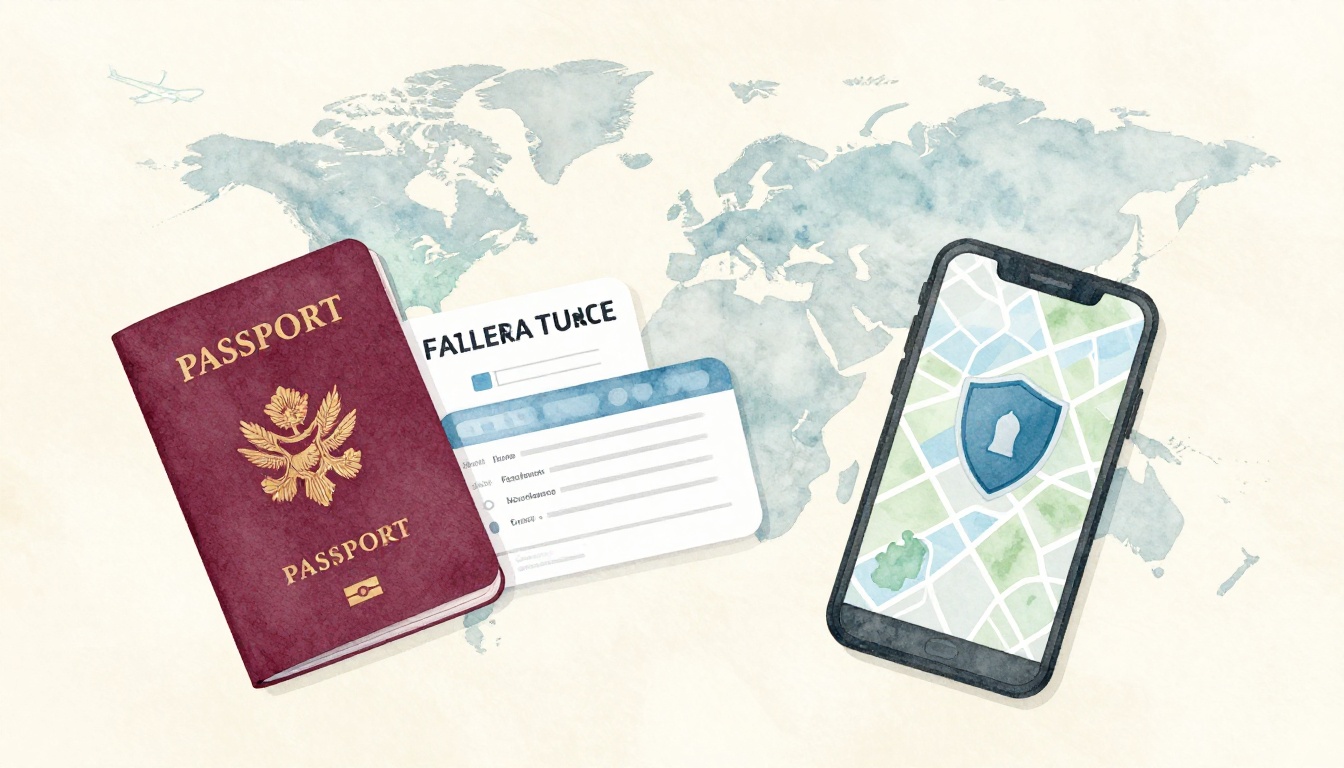
Picture this: Sarah planned her spring break trip to Europe in early 2026. Tensions flared in the Middle East from Iran-linked groups targeting U.S. interests worldwide. She checked advisories first and skipped a risky layover. That simple step kept her safe amid flight disruptions.
Travel brings joy, but risks lurk. The U.S. State Department warns of terror threats over petty crime or medical bills for Americans abroad. Yet, a hospital stay can cost thousands without insurance. Scams hit tourists hard too.
You can avoid these pitfalls. This post covers pre-trip checks, health prep, scam dodges, and digital safety. Follow these steps for peace of mind on your next adventure.
Get Set Before You Go: Pre-Trip Checks That Protect You
Start strong at home. Simple prep shields you from big problems. Enroll in programs. Review rules. Keep copies handy.
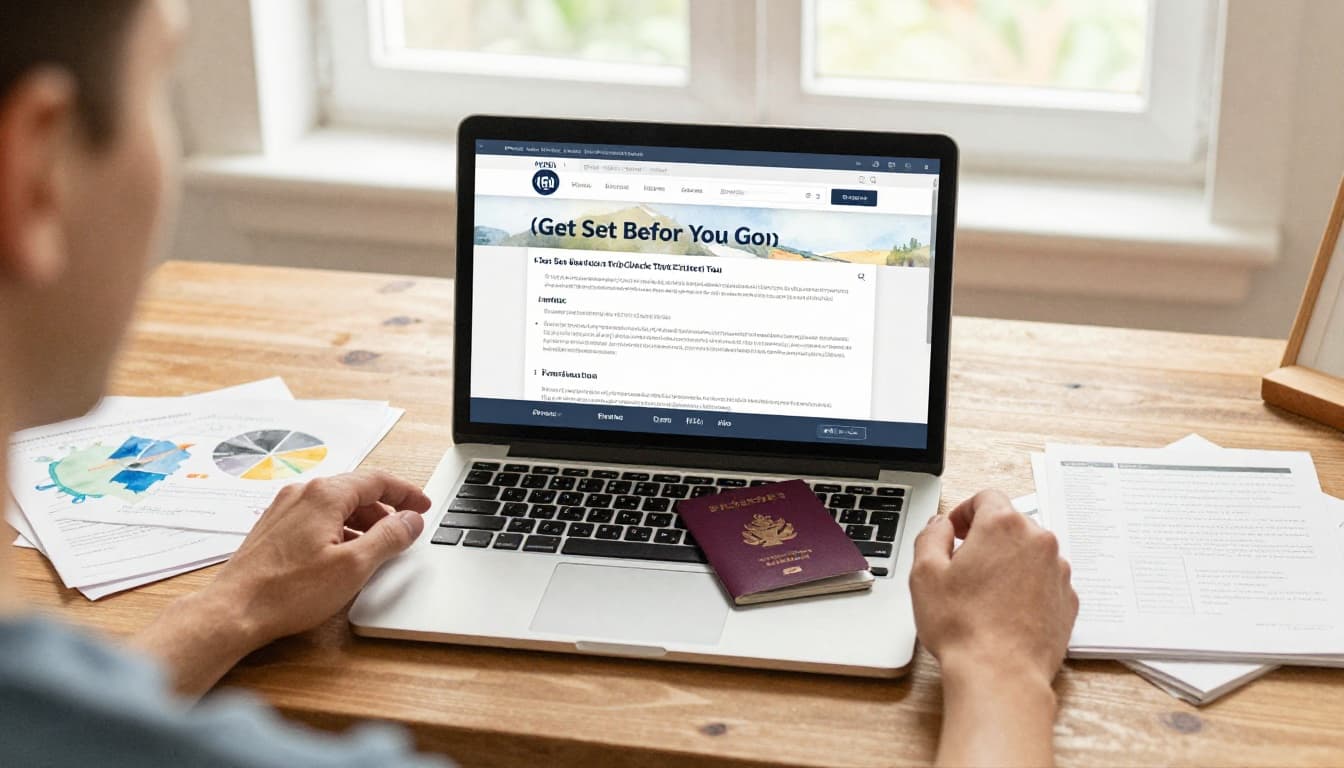
First, handle documents. Make digital scans of your passport, visa, and itinerary. Store them in cloud apps. Print backups too. Next, check passport validity. Most countries demand six months left on it. For U.S. domestic flights, grab a REAL ID if you fly after May 2025. ESTA fees hit $40.27 this fiscal year for Visa Waiver travelers.
Global alerts matter now. A March 2026 worldwide caution flags threats from Iran-backed groups. They eye U.S. sites everywhere, especially the Middle East. Airspace closures snag flights through Dubai or Doha.
Here are key steps:
- Enroll in STEP for alerts.
- Scan travel advisories at levels 1 to 4.
- Verify entry rules like visas or vaccines.
These actions save time and stress.
Enroll in STEP for Instant Embassy Backup
STEP, or Smart Traveler Enrollment Program, connects you to embassies fast. Sign up free online at mytravel.state.gov/s/step. Add your trip details, email, and phone.
It sends security alerts. Family gets your location too. Need a lost passport replaced? Embassies speed it up. In January 2026, the U.S. Embassy in Colombia warned STEP users of protests. Folks stayed clear of roadblocks.
Register for every trip, even domestic ones. It proves essential during unrest.
Scan Advisories and Visa Rules First
Advisories rate risks from Level 1 (normal caution) to Level 4 (do not travel). Level 3 means reconsider. Check your spot for crime, health, or terror notes.
For example, Middle East spots urge extra care in 2026. Iran tensions sparked attacks on U.S. interests. Always confirm passport rules and fees like ESTA hikes.
Do this four weeks out. It flags surprises early.
Secure Your Health: Beat Medical Risks Abroad
Health tops worries for U.S. travelers. Medicare skips overseas bills. A quick ER visit drains savings. Buy solid insurance first.
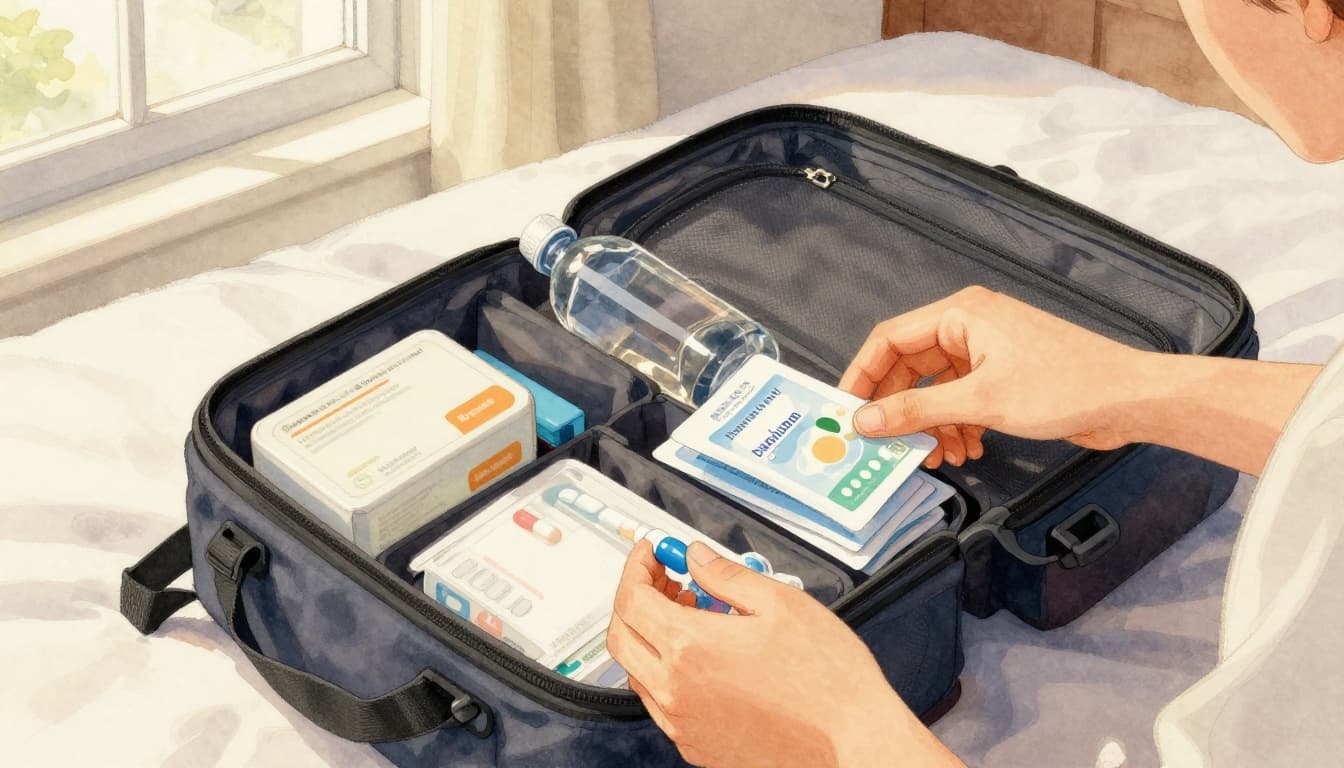
Pack smart too. Bring prescriptions with copies. Add hand sanitizer and water purifiers. Know local emergency numbers.
Trends shift. Mosquito diseases like chikungunya linger in tropics. CDC notes polio risks in 30 countries this April.
Pick Insurance That Covers Big Emergencies
Skip basic plans. They cap at low amounts. Get $100,000 in medical plus $500,000 evacuation. Cover pre-existing issues with acute onset clauses.
The State Department urges travel insurance. Compare options for your needs. A flight delay or injury? It pays hospital tabs.
Shop sites that list medical-focused policies. Read fine print on evacuations.
Prep Vaccinations and Daily Health Habits
Visit CDC four to six weeks ahead. Routine shots like measles matter. Travel ones include hepatitis A, typhoid, or yellow fever for some spots.
CDC’s April 2026 polio advisory hits places like the UK and Pakistan. Boost if needed.
Eat safe: Peel fruits, skip ice. Use repellent. Stay hydrated. These habits block most bugs.
Dodge Scams, Theft, and Street Smarts on the Road
Crowds breed trouble. Pickpockets love tourists. Taxis overcharge. Fake cops demand bribes.
Act confident. Blend in. Skip flashy jewelry.

Use rideshares over street cabs. Check meters. Withdraw cash from bank ATMs inside.
Digital scams rise in 2026. Watch for romance frauds online.
Spot and Skip Classic Travel Scams
Distraction thefts top lists. A “friendly” local spills mustard on you. Accomplice grabs your bag.
Tours sound cheap but add fees. Say no politely. Verify guides.
Common scams include rigged taxi meters. Trust gut feelings. Walk away.
Stay Alert in Crowds and at Night
Stick to lit paths. Travel with groups after dark. Solo? Share your spot.
Feel followed? Duck into a store. Yell if needed.
Confident strides deter thieves.
Guard Your Phone, Data, and Emergency Plans
Borders check devices. CBP asks for passcodes. Refuse as a citizen, but non-citizens risk denial.
Back up to cloud. Use VPNs abroad.
Shield Devices from Border Checks and Hackers
Cloud store photos first. Minimal data on phones. Password managers help.
Non-citizens, comply or face issues. Citizens hold firm.
Build a Quick-Response Emergency Kit and Plan
List embassy numbers. Add insurance hotline. Pack extra cash, spare card.
Apps translate. Note 911 equals like 112 in Europe.
Share itinerary with family. STEP speeds help.
Prep turns worry into confidence. Enroll in STEP. Grab insurance. Check advisories. Dodge scams.
Head to state.gov today. Safe trips start there.
Share your close call in comments. Subscribe for 2026 updates. Where do you travel next?